Wera Tools for Facility Procurement: Where They're Made and When to Pay for Certainty
-
Why I Trust Wera for Hand Tools (But Not Everything)
-
Where Are Wera Tools Made?
-
The Wera Kraftform Electronics Precision Screwdriver: A Team Favorite
-
What About Ratchet Pruners, Air Compressor Heads, and Flush Trim Router Bits?
-
The Time Certainty Premium: When Paying Extra Pays Off
-
Mistakes I've Made (So You Don't Have To)
-
When to Skip the Premium
Why I Trust Wera for Hand Tools (But Not Everything)
If you're buying tools for a professional facility, Wera is a safe bet for screwdrivers, ratchets, and sockets—their German engineering reputation holds up in daily use. But they don't make everything, and you shouldn't assume they do. Also, when you have a tight deadline, paying extra for guaranteed delivery is usually worth it. I learned that the hard way after a critical equipment failure cost us thousands in downtime.
I'm the office administrator for a 200-person engineering firm. I've been managing facilities and maintenance procurement since 2021—about $150k annually across a dozen vendors. I'm not a tool specialist, so I can't speak to metallurgy or torque calibration. But from a procurement perspective, I can tell you what works and what doesn't.
Where Are Wera Tools Made?
According to Wera's official website (wera.com, accessed March 2026), their tools are manufactured in Germany and the Czech Republic. The German-made ones tend to be the flagship lines, while some components come from the Czech facility. That "Made in Germany" label still means something—we've seen fewer stripped screws and broken bits since we switched to Wera about three years ago. The quality control is consistent, and the ergonomics are noticeably better than the generic brands we used before.
The Wera Kraftform Electronics Precision Screwdriver: A Team Favorite
One product that's been a standout is the Wera Kraftform Electronics Precision Screwdriver. Our electronics assembly team uses it daily for small component work. The handle shape reduces hand fatigue during long shifts, and the precision tips fit well without slipping. It's not cheap, but the reduced fatigue and fewer damaged screws have paid for themselves. I'd recommend it for any fine assembly work.
What About Ratchet Pruners, Air Compressor Heads, and Flush Trim Router Bits?
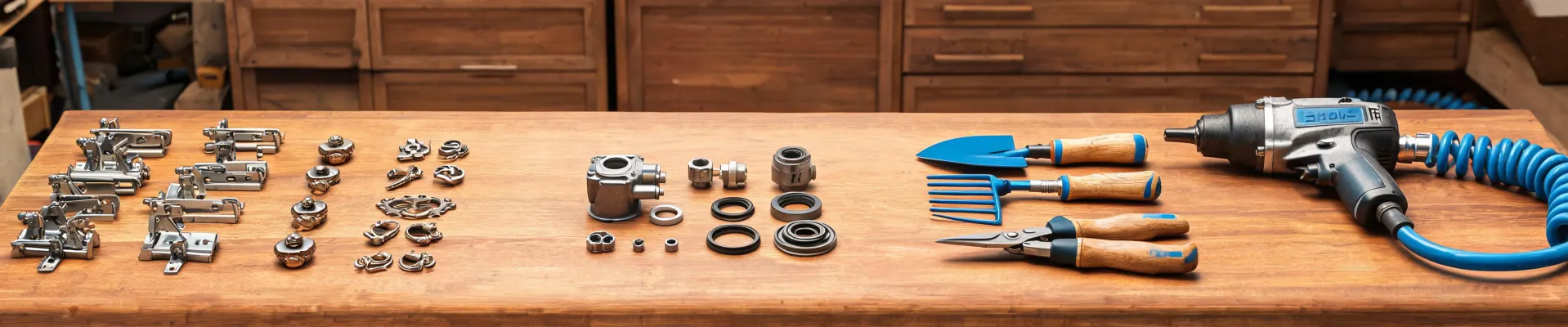
Here's where I had to learn that Wera doesn't cover every tool category. For our landscaping crew, we needed ratchet pruners—Wera doesn't make those. We sourced them from a gardening supplier. For the maintenance shop, we needed an air compressor head when the old one failed; again, Wera isn't the brand for that. And for our woodworking department, a flush trim router bit was requested. I had to look up what a flush trim router bit is used for: it's for trimming laminate or edge banding flush with the substrate. We bought one from a woodworking specialist. The lesson: verify the product line before assuming a brand covers a category.
The Time Certainty Premium: When Paying Extra Pays Off
Last year, our main production line went down because a critical air compressor head failed. We needed a replacement fast. Our usual supplier couldn't guarantee delivery for a week. We found a vendor who could overnight it for an extra $400. We paid it. The line was back up in two days, saving us an estimated $15,000 in lost production. That's the time certainty premium: paying for reliability when the cost of delay is high.
I'm not a big fan of rush fees in general—they can feel like a racket. But after getting burned twice by "probably on time" promises, we now budget for guaranteed delivery on critical spares. In our experience, the premium is usually 10-20% of the order value, which is nothing compared to downtime costs.
Another example: we needed a replacement torque wrench for a client project with a hard deadline. The standard lead time was two weeks, but we found a distributor who could ship in three days for an extra $150. We took it. The project stayed on schedule, and the client never knew we were close to missing the date. That $150 bought us peace of mind and protected our reputation.
Mistakes I've Made (So You Don't Have To)
Early on, I made a classic rookie mistake: I assumed "standard" screwdriver bits were universal. I ordered a batch that didn't fit our torque wrenches. Wasted about $300. Now I always verify specifications before ordering.
Another time, I told a vendor "as soon as possible" and they heard "whenever convenient." The delivery arrived two weeks late. Now I give specific dates and confirm lead times in writing.
I also learned to check manufacturing locations. For a while, we assumed all Wera tools were made in Germany. Turns out some are made in the Czech Republic. That's fine—the quality is still good—but it matters for documentation and sometimes for lead times. Now I ask for country of origin upfront when it's relevant.
When to Skip the Premium
Don't pay for rush delivery on planned purchases—that's just throwing money away. For non-critical, one-off tools, the cheapest option might be fine. Also, if you have a reliable vendor with a good track record, you might not need to pay extra for certainty—but verify their recent delivery performance, not just their promises.
I'm not a tool engineer, so I can't tell you the exact differences between Wera and other premium brands. But from a procurement standpoint, I focus on total cost of ownership and delivery reliability. That's served me well.
So, for Wera: trust the German engineering for hand tools, but verify the product line. And when deadlines loom, pay for certainty—it's usually worth it.

Omar Vukovic
Omar Vukovic is an independent garden and outdoor power equipment analyst covering pruning shears, loppers, hedge shears, lawn mowers, tillers, chainsaws, and related cutting systems. He applies IEC 62841-4 safety principles while comparing blade geometry, chain speed, bar length, cutting capacity, battery runtime, vibration, kickback controls, noise, ergonomics, and maintenance access. His practical articles help landscape teams and buyers choose equipment for vegetation, workload, operator control, serviceability, and seasonal operating conditions.